October 1, 2026
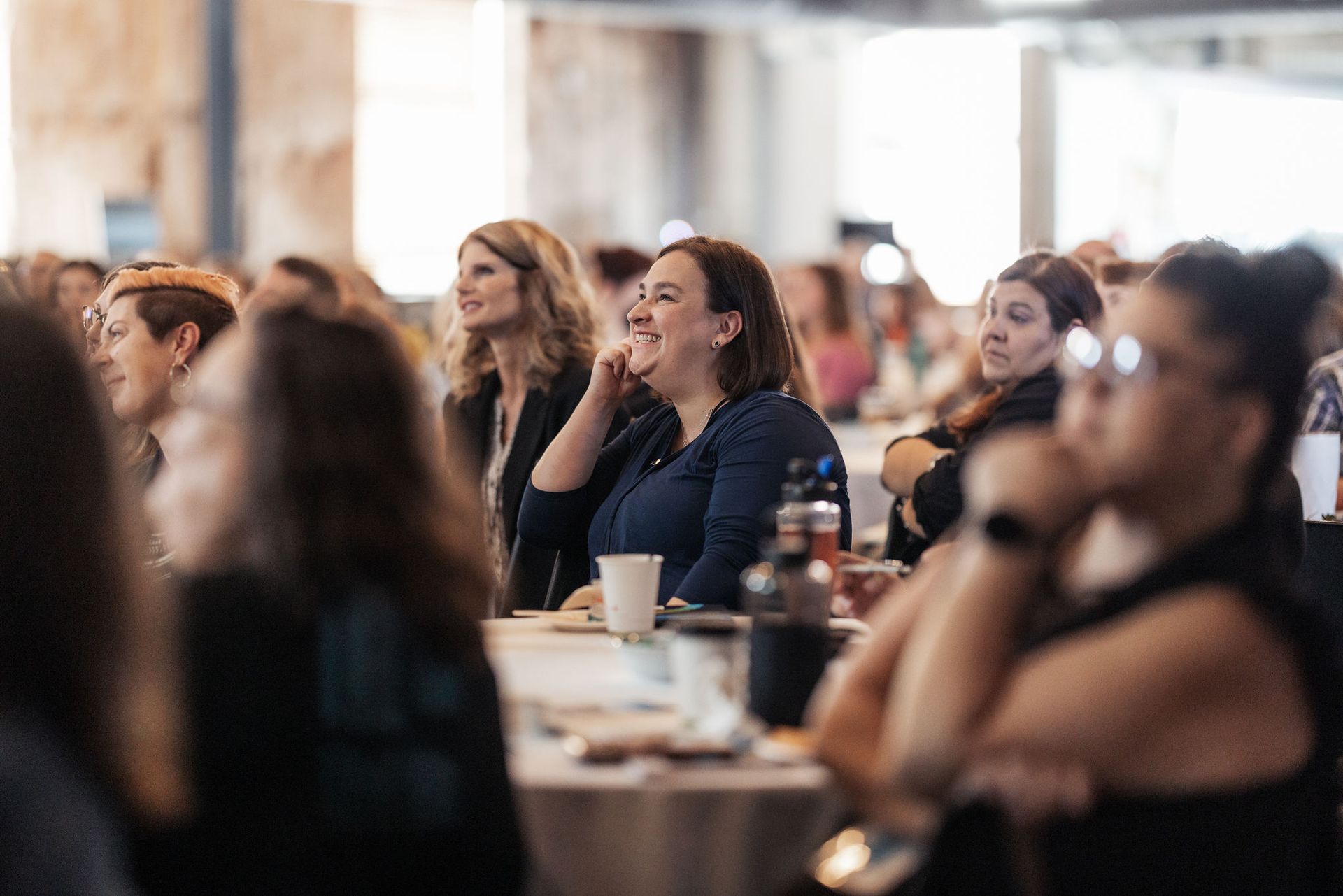
We are so excited about the month ahead! We have so many opportunities to connect with our brilliant partners here in Colorado and beyond to learn, explore, and design what’s next for preparing learners and earners for in-demand careers. And the biggest opportunity of all is our Career-Connected L/Earning Conference, Oct. 29-30 in Colorado Springs. We’ve been working on this conference all year, and we can’t wait to see you there! Here’s where you can find us this October: 🗓️ October 7 🔹 Boettcher State of Leadership: San Luis Valley Convening — Fort Garland Who will be the “Next Ten” leaders stepping up in the San Luis Valley? Ashley and Wes will join current and emerging community leaders for a conversation about strengthening the region’s leadership pipeline, building new connections and addressing the “Same Ten People” challenge identified through the Boettcher Foundation’s State of Leadership initiative. 🗓️ October 8 🔹 Postsecondary Talent Development System Transition Advisory Committee — Edwards Michelle Camacho Liu will reconvene with fellow committee members to continue developing recommendations that will guide Colorado’s new unified postsecondary talent development system. If you'd like to join sign up through the RSVP link . 🗓️ October 12-14 🔹 CFO Leadership Conference — Westminster Finance executives from across the country, including our own Michelle Payne, will explore emerging trends in leadership, AI and technology, economic conditions, and strategies for strengthening organizational performance. 🗓️ October 13 🔹 Superintendent Meeting — Monte Vista Ashley and Wes will connect with San Luis Valley superintendents to continue strengthening regional collaboration needed for pathways that lead to in-demand careers and economic mobility. 🗓️ October 14-16 🔹 Leading with Value, Building Trust: Lumina State Policy Retreat — Philadelphia Rana will join state teams from across the country for this invite-only convening focused on value-centered postsecondary attainment goals, better alignment between higher education and workforce needs, and how states define and measure credentials of value. 🗓️ October 20 🔹 Human Capital Summit — Arvada As AI and emerging technologies reshape the workplace, what human skills will matter most? Katherine will join employers, executives, HR professionals and community leaders for this Greater Arvada Chamber and Colorado Inclusive Economy event exploring how organizations are staying competitive by investing in people, culture, and innovation. 🔹 Making Pathways Data Useful: Pathways Impact Community Workshop — Virtual Michelle will join partners for a working session focused on making pathways data more useful and actionable. 🔹 CDE Technical Advisory Panel for PWR Accountability Metrics — Virtual Stefan will join his fellow TAP member to work on designing Colorado’s Postsecondary and Workforce Readiness accountability metrics. 🗓️ October 21 🔹 Postsecondary Talent Development System Transition Advisory Committee — Virtual The Transition Advisory Committee reconvenes. 🗓️ October 29-30 🔹 Career-Connected L/Earning Conference — Colorado Springs It’s the event we’ve been looking forward to all year! The entire Attainment Network team will join hundreds of leaders from education, workforce, industry, government, philanthropy and community organizations for two days of learning, connection and collaboration focused on building stronger education-to-career pathways. We hope you’ll join us!